Urban Rooftop Farming: Growing Food, Building Resilience
Explore how rooftop gardens transform city landscapes into productive farms, improving food access, reducing carbon footprints, and fostering community resilience.
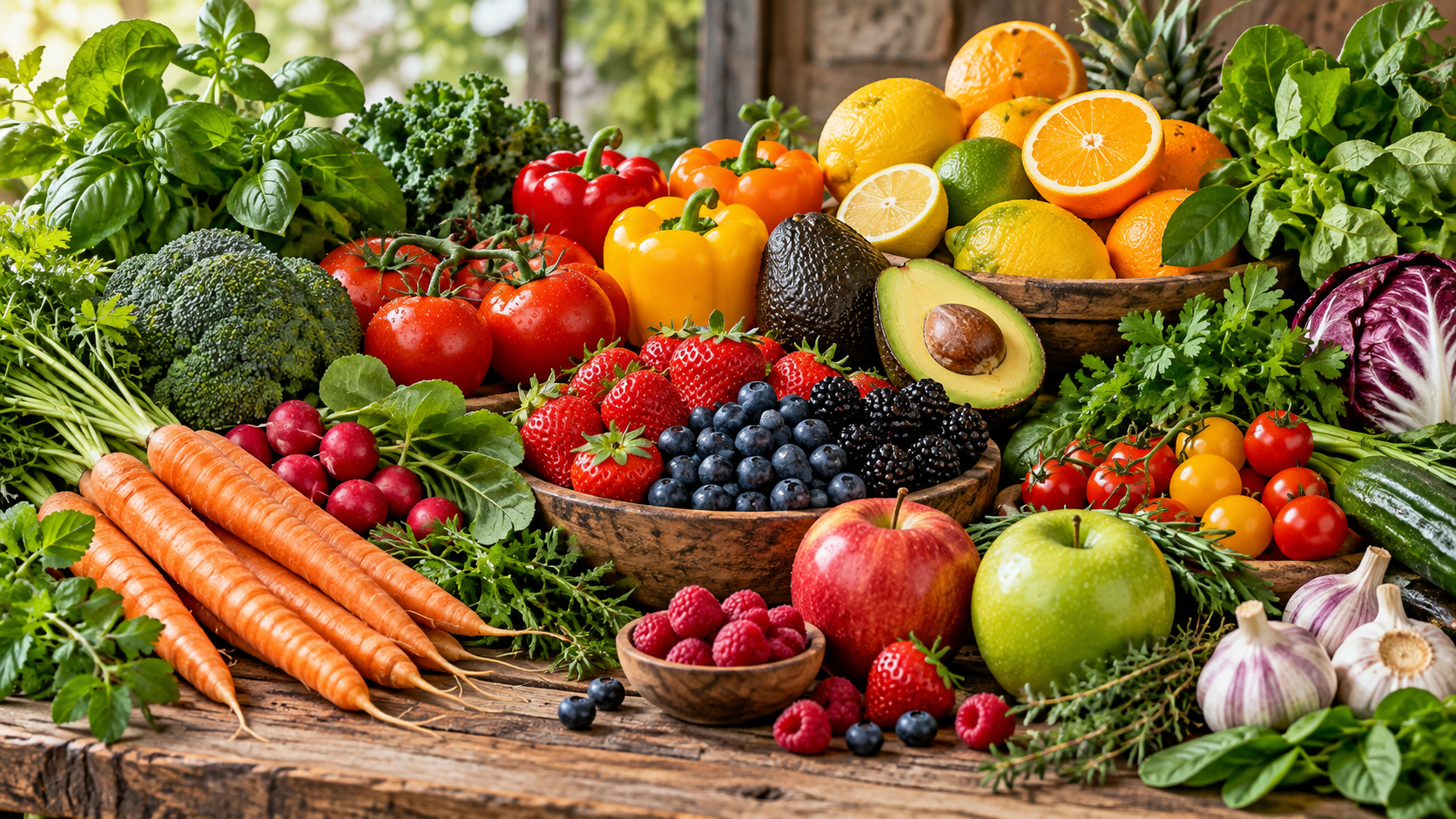
AI-generated
This article was drafted by openai/gpt-oss-20b via groq from the sources listed below. Read with a critical eye. Learn more.
What Is Rooftop Farming?\nRooftop farming refers to cultivating crops on the flat or gently sloping roofs of buildings.\n\n## Benefits for Urban Food Systems\nBy turning unused roof space into productive gardens, cities can increase local food production, reduce the distance food travels, and lower greenhouse gas emissions.\n\n## Designing a Sustainable Rooftop Farm\nKey design elements include lightweight soil mixes, efficient irrigation systems, and shade structures. Proper drainage and wind protection are essential to protect crops and building integrity.\n\n## Challenges and Solutions\nCommon obstacles are structural load limits, water availability, and pest management. Engineers, architects, and growers collaborate to design reinforced decks, rainwater harvesting systems, and integrated pest strategies that keep farms safe and productive.\n\n## The Future of Urban Agriculture\nWith climate change accelerating, rooftop farms can serve as climate‑resilient food hubs, provide green space for residents, and create educational opportunities for urban communities.
References
- Food Systems Evergreen — food-systems-evergreen · primary
Topics
rooftop farming
urban agriculture
food security
sustainability
green roofs
climate resilience
community gardens
soil health
vertical farming
climate change
food systems
city planning


